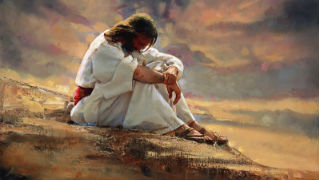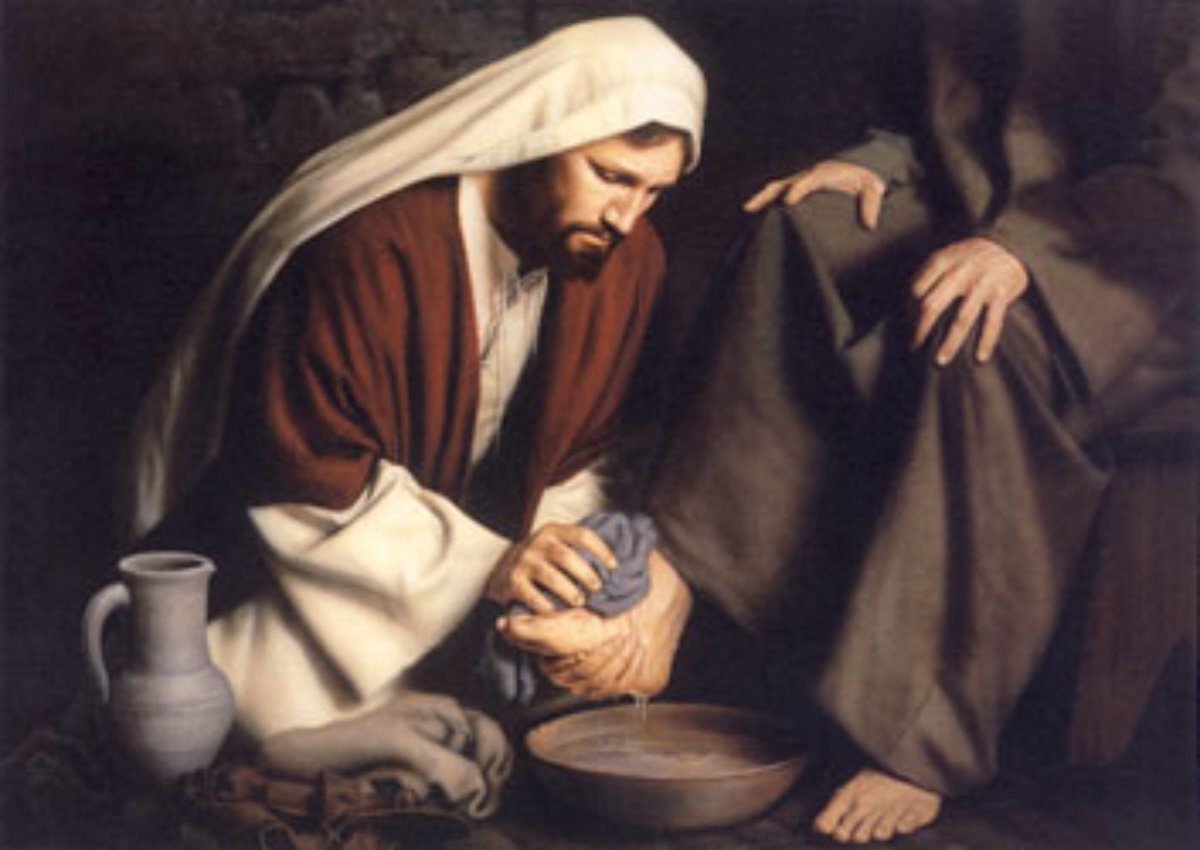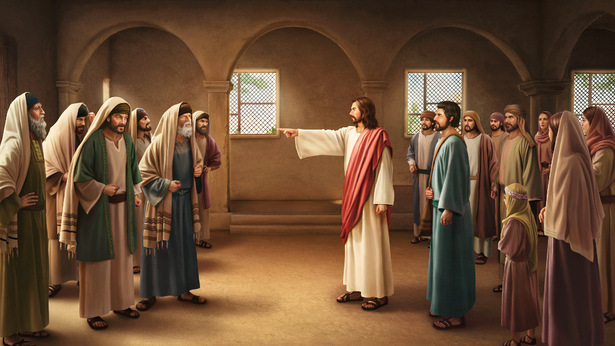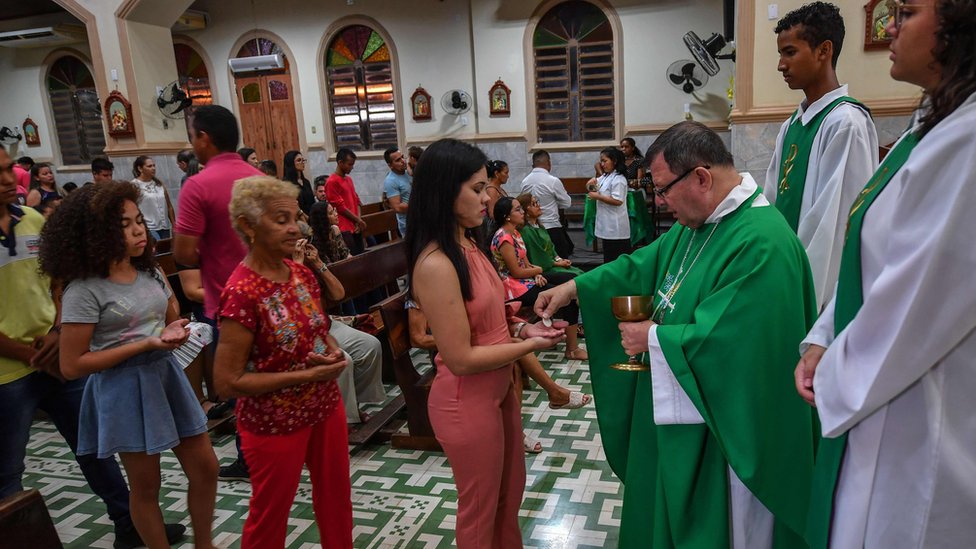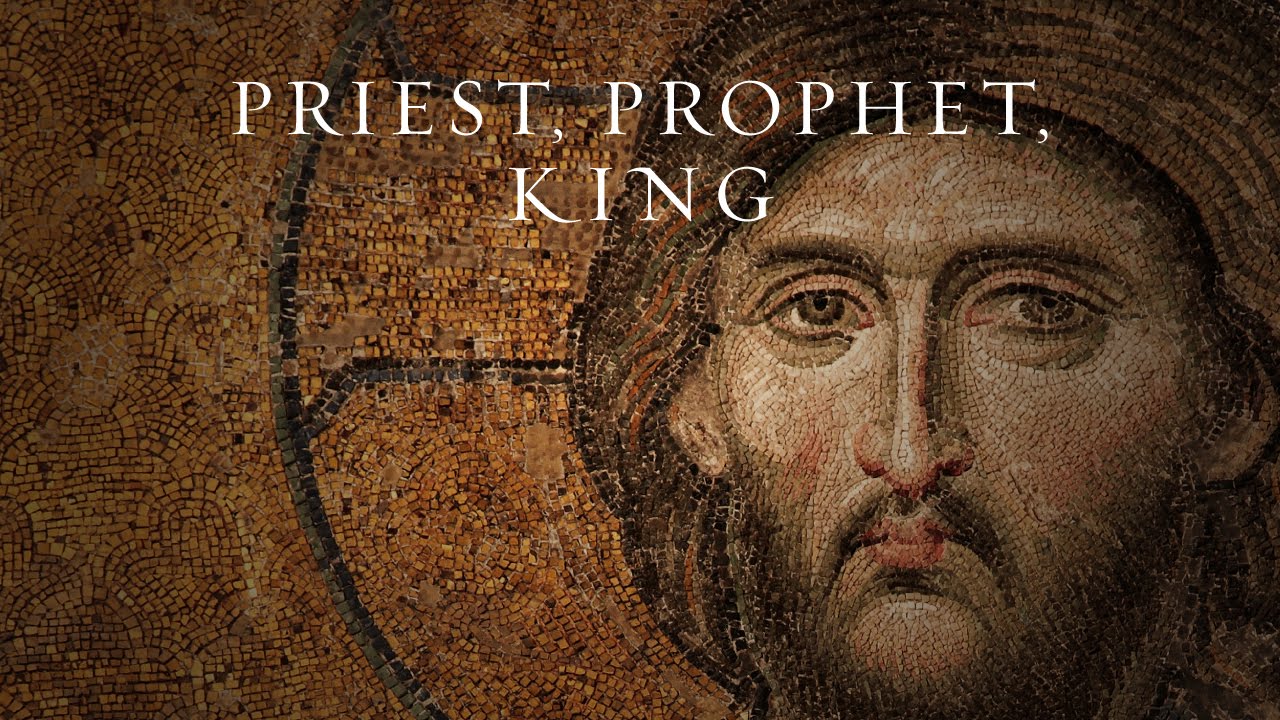
Catholics are Baptized and Anointed as Priest, Prophet and King

l

According to the Catholic Church, those who are baptized in Jesus’ name are anointed to be priest, prophet, and king for the community, The People of God.

Anointing with Chrism
After baptizing with water, then the celebrant says:
God the Father of our Lord Jesus Christ has freed you from sin, given you a new birth
by water and the Holy Spirit, and welcomed you into his holy people. He now anoints
you with the chrism of salvation. As Christ was anointed Priest, Prophet, and King, so
may you live always as a member of his body, sharing everlasting life.

ALL: Amen.

It can be said, therefore, that we participate in those roles inside and outside of the official rites of the Church called the Sacraments. We do this in many different pastoral and liturgical ministries. But first, let’s understand the meaning and significance of each role.

In ancient Egyptian religion, the right and obligation to interact with the gods belonged to the pharaoh. He delegated this duty to priests, who were effectively bureaucrats authorized to act on his behalf.  In Judaism, priests were responsible for the daily and special Jewish holiday offerings and sacrifices within the temples. The word “priest”, is ultimately derived from Greek via Latin presbyte, the term for “elder”, especially elders of Jewish or Christian communities in biblical times. The Latin presbyter ultimately represents Greek πρεσβύτερος presbúteros, the regular Latin word for “priest” being sacerdos. corresponding to ἱερεύς hiereús or priest of the temple, a kohen in Hebrew. According to Judaism, this person “stood ready before God”. The person was seen as one who would act as an intermediary or negotiator.
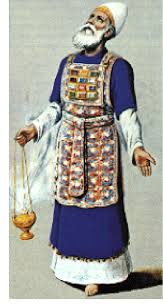
Eventually, in the early Christian Church of the later first century, the term presbyter or elder was associated with one responsible for a community of believers or disciples of Jesus. Today that is referred to as a parish or a Church. As an elder, the person acted as a leader for worship services in the home or in a larger setting and eventually became known a pastor coming from the word in Latin, to feed. Acting pastoral meant that the person nourished and nurtured his gathering (ecclesia) of people. Note that the word ecclesia became the word for the activity or language of the Church or ecclesiastical affairs.

A prophet was a person regarded as an inspired teacher or proclaimer of the will of God from the Greek word,  prophētēs or spokesman. This is an individual who is regarded as being in contact with a divine being and is said to speak on behalf of that being, serving as an intermediary with humanity by delivering messages or teachings from the supernatural source to other people. In some circles, the message that the prophet conveys is called a prophecy.
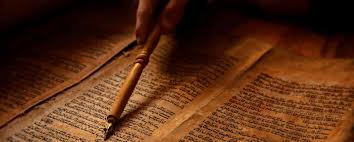
In addition to writing and speaking messages from God, Israelite or Judean nevi’im (“spokespersons”, “prophets”) often acted out prophetic parables in their life. For example, in order to contrast the people’s disobedience with the obedience of the Rechabites, God has Jeremiah invite the Rechabites to drink wine, in disobedience to their ancestor’s command. The Rechabites refuse, for which God commends them. Other prophetic parables acted out by Jeremiah include burying a linen belt so that it gets ruined to illustrate how God intends to ruin Judah’s pride. In Christianity, a prophet (or seer) is one inspired by God through the Holy Spirit to deliver a message.

King comes from Basileus (Greek: βασιλεύς) which is a Greek term and title that has signified various types of monarchs in history. In the English-speaking world it is perhaps most widely understood to mean “king” or “emperor”. The title was used by sovereigns and other persons of authority in ancient Greece, the Byzantine emperors, and the kings of modern Greece. In Judaism. the tension of allowing for a monarch while at the same time advancing the idea of the sole kingship of God was constantly felt throughout their history.
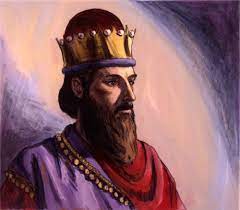
When the Jews asked Samuel for a king: “To judge us like all the nations,” Samuel is upset (Samuel I, Chap. 8). Wanting to be like all the nations is a distortion of the unique Torah definition of kingship where the king remains beholden to God. With the advent of kingship, Israel is led by one authority whose major task is to unite the entire Am (nation). The unique Torah definition of kingship is that the king remains beholden to God and does not think of himself as a god.

So, for Catholics and possibly all Christians, all of this means that as a result of the anointing that occurred at our baptism we are expected to share in the mission of the Lord Jesus. “As Christ was anointed Priest, Prophet, and King, so may you live always as a member of his body, sharing everlasting life.

“You are the light of the world.” says, Jesus, “A town built on a hill cannot be hidden.  Neither do people light a lamp and put it under a bowl. Instead they put it on its stand, and it gives light to everyone in the house. In the same way, let your light shine before others, that they may see your good deeds and glorify your Father in heaven.” Mt 5:14-16

This means that we are to activate that anointing by participating in building up the Kingdom of God on earth. We pray, “Thy Kingdom Come” which puts the responsibility for its coming, upon our shoulders with the help of Divine Grace which comes from the Spirit of God at baptism and from every good thought, word, and deed that emanates from our being.

We act as a priest when we are an intermediary between God and any of God’s creation. In today’s world, the environment is as important as any human. That’s hard for us to grasp since we use the environment for our advantage. “Then the Lord God formed a man from the dust of the ground and breathed into his nostrils the breath of life, and the man became a living being.” ….. “The Lord God took the man and put him in the Garden of Eden to work it and take care of it.” Gen 2: 7 and 15

We act as a priest when we act as a pastor to shepherd or lead another to goodness and well-being; when we walk with them, have empathy and compassion for them, show them mercy and forgive them no matter how much they offend or hurt us. Our example is more important that our words or prayers.
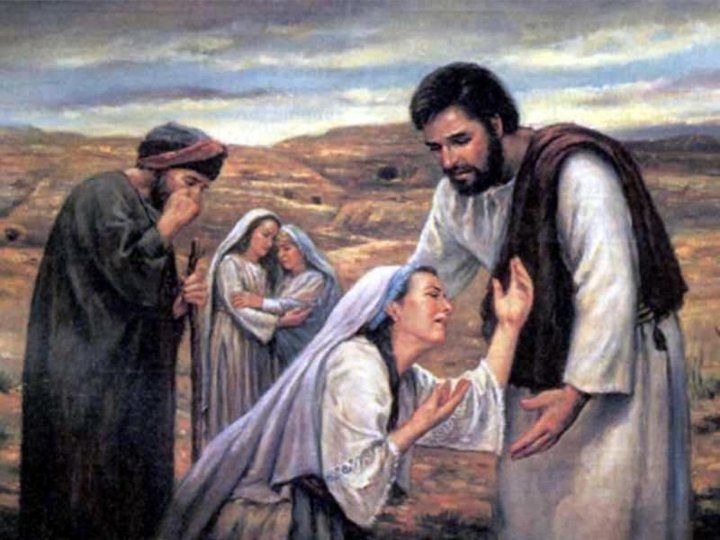
Praying or leading prayer is another action that we perform as a priest. The former means praying on behalf of those who cannot pray or are not in our presence. I’m opposed to asking God or petitioning God for Grace or anything we need. Why? Because God expects us to do the work. God share God’s LOVE in the act of creation and in the environment present to us on this earth. “Be fruitful and increase in number; fill the earth and subdue it. Rule over the fish in the sea and the birds in the sky and over every living creature that moves on the ground.”….

Then God said, “I give you every seed-bearing plant on the face of the whole earth and every tree that has fruit with seed in it. They will be yours for food. And to all the beasts of the earth and all the birds in the sky and all the creatures that move along the ground—everything that has the breath of life in it—I give every green plant for food.” And it was so.God saw all that he had made, and it was very good.” Gen 1: 28-31 God’s Love is all around us and only taken from us by evil actions that hurt us or others. God expects all of us to act to comfort those who are hurt. To render the help of all that is at our disposal. That’s how the grace of God is active.

What more can we expect? You might say, well, can’t we ask God to heal and cure us? To help those in need, for those victims of disasters and crime. To act as a priest, I believe we must be the intermediary that reminds people that God’s Grace and Love is enough for us to overcome any hardship, disappointment, or disease even death. Isn’t that what we believe??
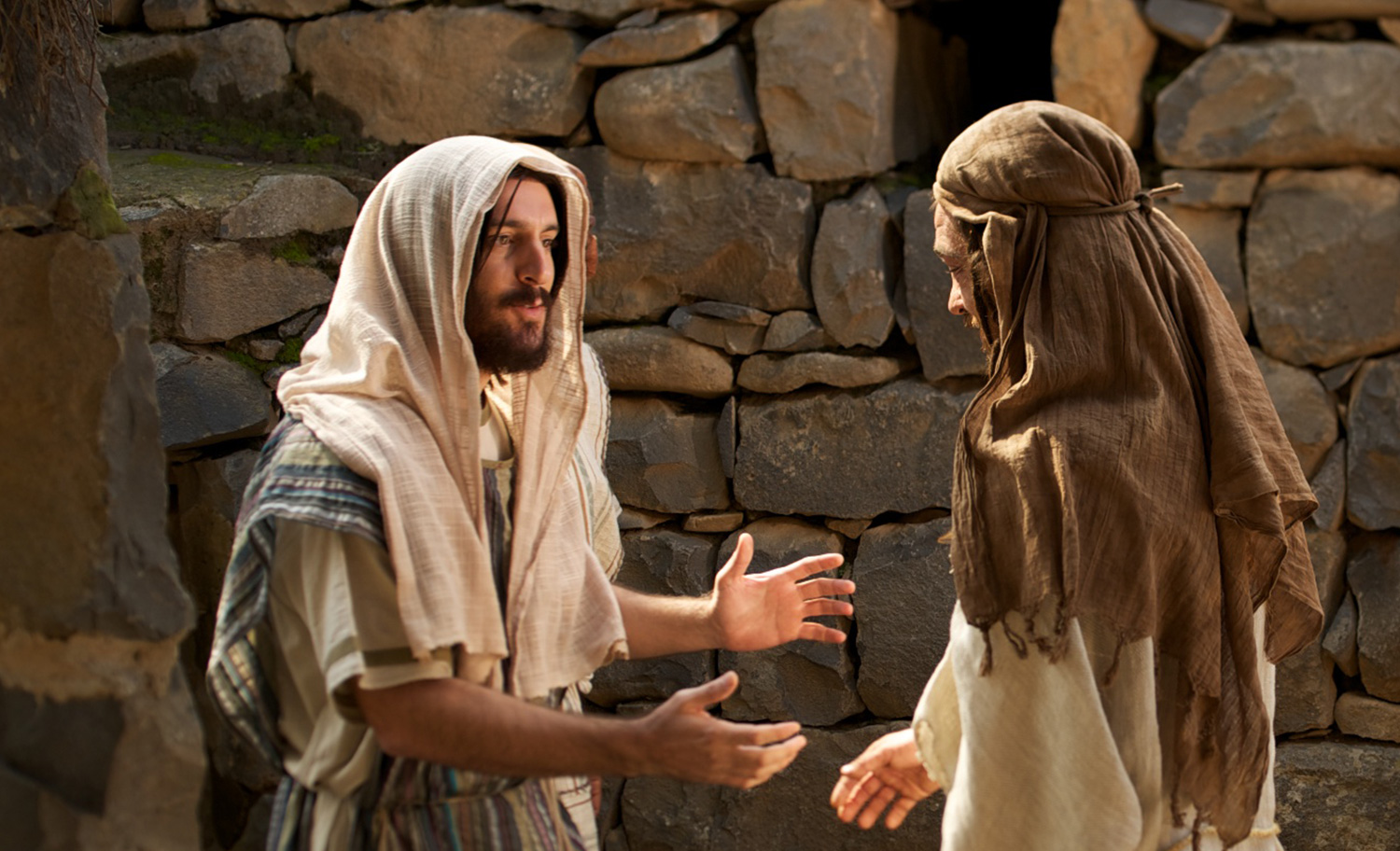
In Paul’s letter to the Romans, Romans 8:11, he writes:“If the Spirit of him who raised Jesus from the dead dwells in you, he who raised Christ Jesus from the dead will also give life to your mortal bodies through his Spirit who dwells in you.” If we help someone open themselves to the Grace of God and God’s Love or remind them with the Word of God, we are praying for them. Paul wrote letters when he couldn’t be there with them or thought about them as he dwelt upon that Word. Now I know we read that many “asked God” for favors or help, even Jesus said, “Ask and it will be given to you; seek and you will find; knock and the door will be opened to you.” Mt 7:7. Yet we can’t expect God to answer every request can we? Jesus said we are to pray, “Thy Will be done”! SO why ask? We must knock and the door will be opened!

SO what does it mean to ask and knock? Grace is available to us everywhere and anytime. We just need to open ourselves up and allow that grace to pour over us like the water of baptism or the oil of anointing. Asking for guidance is really asking ourselves to read and meditate on the Word of God and to gather with another and converse about that Word. “Where two or more are gathered in my name, there I am.” Then we can discern God’s Will. Knocking is letting someone know we are there, isn’t it? Remember Isaiah’s reflection: “Then I heard the voice of the Lord saying, “Whom shall I send? And who will go for us?” And I said, “Here am I. Send me!” Is 6:8 Isn’t that what all of us who ponder the Word of God can do if we ask ourselves, “what is God’s Will, or knock on another’s door and seek guidance? How about opening the Bible and reading it, then contemplating on the very words we just read and asking ourselves how God’s Word speaks to us.

What does it mean for us to be a prophet? One who is a teacher, one who proclaims the Word of God, one who sows the seed of the Word among the People of God and those who never heard about God or Jesus. Our prayer leads us to speak out when things are not right, when injustice occurs, when abuse is manifest before our very eyes, when we read about racism bigotry, homophobia or any harm done to any creature or to any part of our planet. We speak for God as a prophet! However we must LISTEN as Isaiah and the other prophets did. This requires a quiet atmosphere. We must spend time meditating on the Word of God and even discussing it with others who have prayed or are open to the Spirit.
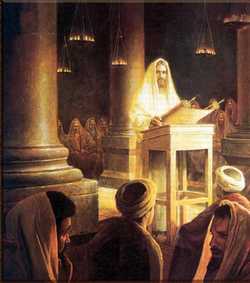
“The scroll of the prophet Isaiah was handed to him. Unrolling it, he found the place where it is written: “The Spirit of the Lord is on me, because he has anointed me to proclaim good news to the poor. He has sent me to proclaim freedom for the prisoners and recovery of sight for the blind, to set the oppressed free,…”

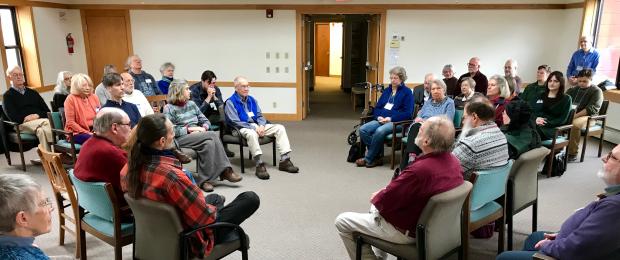
The Quakers or Friends, as they are called, do just that, open themselves to the Spirit of God when they come in silence and sit together at the meeting place. The Friend’s Meeting is a place where people sit in a square or circular arrangement of seats or pews and wait for the Spirit to move them. They share whatever the Spirit prompts them to say or sing. This is what the prophets did. They waited quietly for God to speak to them. This is what Jesus did before and after he ministered, healed, and fed the people with whom he walked and talked.
Many religious authors, people, and even non- religious people share their thoughts and reflections and can enlighten us. Art and Music as well as nature can speak to us, to our minds, our hearts, and souls. Isn’t that why Francis of Assisi called the sun “brother” and the moon, “sister”.

Canticle of Brother Sun and Sister Moon
St. Francis of Assisi

Most High, all-powerful, all-good Lord, All praise is Yours, all glory, all honour and all blessings.

To you alone, Most High, do they belong, and no mortal lips are worthy to pronounce Your Name.

Praised be You my Lord with all Your creatures,
especially Sir Brother Sun,
Who is the day through whom You give us light.
And he is beautiful and radiant with great splendour,
Of You Most High, he bears the likeness.
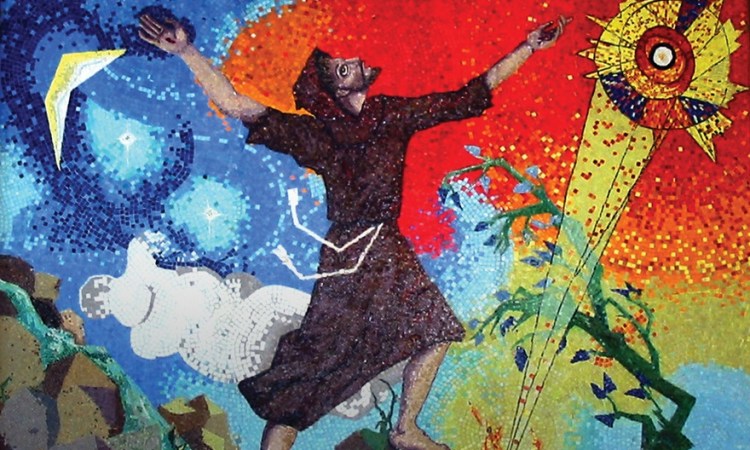
Praised be You, my Lord, through Sister Moon and the stars,
In the heavens you have made them bright, precious and fair.

Praised be You, my Lord, through Brothers Wind and Air,
And fair and stormy, all weather’s moods,
by which You cherish all that You have made.

Praised be You my Lord through Sister Water,
So useful, humble, precious and pure.

Praised be You my Lord through Brother Fire,
through whom You light the night and he is beautiful and playful and robust and strong.

Praised be You my Lord through our Sister,
Mother Earth
who sustains and governs us,
producing varied fruits with colored flowers and herbs.
Praise be You my Lord through those who grant pardon for love of You and bear sickness and trial.

Blessed are those who endure in peace, By You Most High, they will be crowned.

Praised be You, my Lord through Sister Death,
from whom no-one living can escape. Woe to those who die in mortal sin! Blessed are they She finds doing Your Will.

No second death can do them harm. Praise and bless my Lord and give Him thanks,
And serve Him with great humility.

Finally, to be a king in the Kingdom of God means to act as God would, to care for and protect the planet and all that is on it! A king, chieftain, sovereign leads the people over which he “rules”. So must we! Not as one who “rules over” but as one who serves! “So Jesus called them together and said, “You know that the rulers in this world lord it over their people, and officials flaunt their authority over those under them. But among you it will be different. Whoever wants to be a leader among you must be your servant, and whoever wants to be first among you must be the slave of everyone else. For even the Son of Man came not to be served but to serve others and to give his life as a ransom for many.” Mk 10: 42-45
As a priest, a prophet, and a king, we pray the words Jesus taught us with confidence: ‘Our Father in heaven, hallowed be your name, your kingdom come, your will be done, on earth as it is in heaven. You give us today our daily bread. And you forgive us our debts, as we also have forgiven our debtors. And you lead us not into temptation, but you deliver us from the evil one.” Mt 6: 9-13

As Christ was anointed Priest, Prophet, and King, so
may you live always as a member of his body, sharing everlasting life.
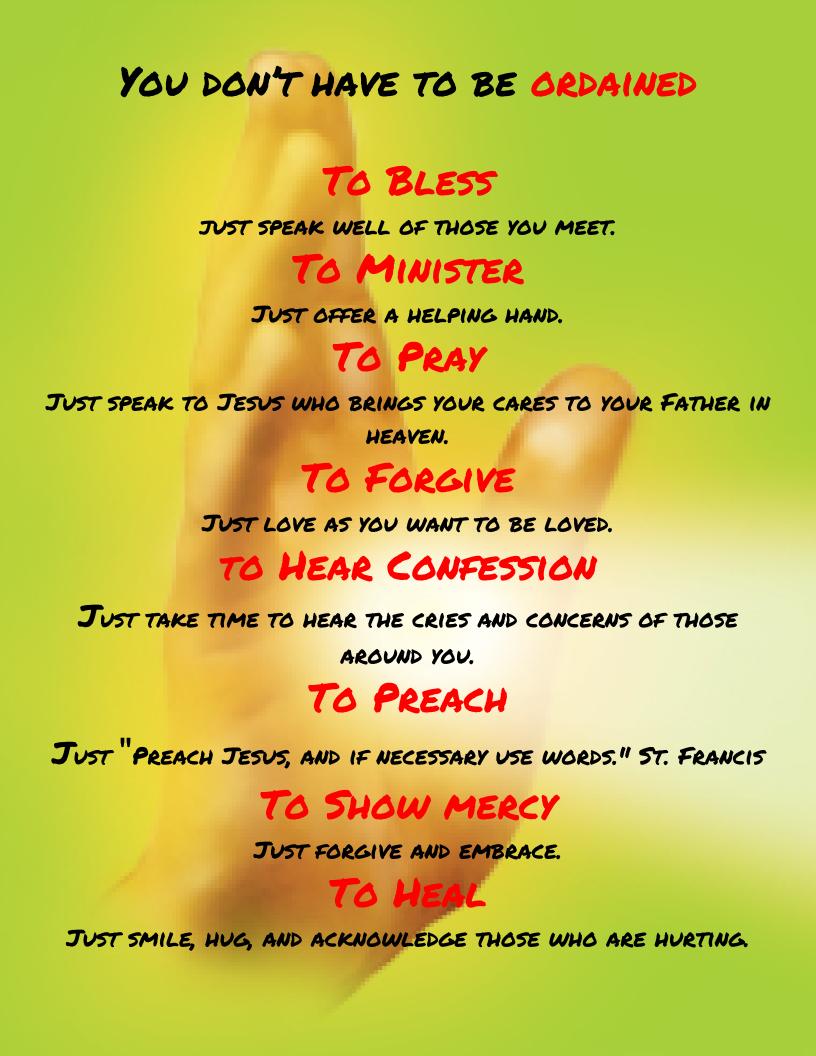

Let your prayer be: “I belong where I am needed.” ejsherretta@gmail.com
Posted in Ecclesiology, Sacramental Celebration | Leave a comment

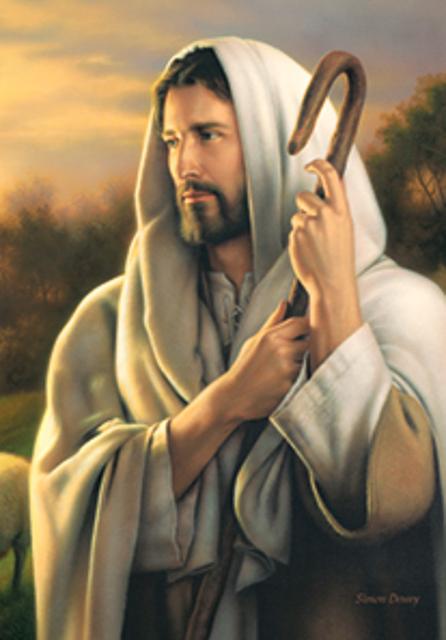
The Sheep are Leaving the Fold,In Search of Their Shepherd, Jesus!

According to the Magisterium or hierarchy, “The Church is a sheepfold whose one and indispensable door is Christ. It is a flock of which God Himself foretold He would be the shepherd,  and whose sheep, although ruled by human shepherds; are nevertheless continuously led and nourished by Christ Himself, the Good Shepherd and the Prince of the shepherds, who gave His life for the sheep.” (Lumen Gentium)

Today, “The Vatican confesses: the hierarchical Church has lost the people” writes  Robert Mickens in his latest article from La Croix International.

“Vatican City Call it the Vatican or call it the Holy See. It hardly matters anymore because the difference and nuances between the two terms (or entities) are lost on most people. That includes the majority of Catholics. Increasingly, it seems, people don’t care whether a distinction even exists. Holy See and Vatican mean only one thing to most folks — headquarters of the Catholic Church or bureaucratic center of a two-millennia-old religious behemoth. And that behemoth, as I argued last week, continues to experience an implosion that dates back to at least the Reformation. Certainly by the time of the Enlightenment in the 17th century, this implosion became an ongoing process.”

In John 10:16 Jesus says “I have other sheep that are not of this fold; I must lead them too, and they will heed my voice. So there shall be one flock, one shepherd.” Jesus rules his flock through the power of the Holy Spirit. Yet the hierarchy claims themselves as the rulers.  

The norm, according to sheep herding. – is that it is the sheep dogs who contain and herd the flock to follow the Shepherd- there is only ONE shepherd per flock. “My sheep listen to my voice; I know them, and they follow me.” The sheep dogs keep the sheep following their shepherd. SO the overseers or bishops act as the dogs- barking and mustering or gathering together the sheep to help them follow the one Shepherd, Jesus.

Notice how the language from Lumen Gentium implies certain concepts that are contrary to the attitude and teaching of Jesus. The title “Prince” is given to the one Shepherd but Jesus would object since he rebuked power, fame, and fortune, and the title “Prince” would be abhorrent to him! This is another interjection coming from the clerical dominance of the Catholic Church which allowed  the Royal leaders of nations to act as shepherds and bestow royal titles upon some of the sheep who became bishops. This must end. In Matthew 23, “..you are not to be called ‘Rabbi,’ for you have one Teacher, and you are all brothers.” So why would they think that “monsignor”, “excellency”, “eminence” or “holiness” is acceptable? “And call no man your father upon the earth: for one is your Father, which is in heaven.” Ha! They ignored this as well!

“From time to time “enlightened” Christians raised their voice to warn the Church’s hierarchs that this was futile. Then, finally, the Second Vatican Council (1962-65) sought to make peace with “modernity”, including democracy.” (Robert Mickens )

Vatican II began when a man named Angelo Roncalli a “prince” of the Roman Catholic Church, was elected pope in 1958 as a compromise choice between conservative and liberal cardinals of the Catholic Church  after 11 ballots.  He was old, not part of the Vatican Elite, and hardly known to most of the People of God around the world. But he was loved by all the people he met and served and by those who met him and observed him. Many of the latter were non-Catholics from all walks of life, from various religions, and from different countries. He was truly a “people person”.

The Church, in Lumen Gentium, quotes Paul in his letter to the Corinthians: “The Spirit dwells in the Church and in the hearts of the faithful, as in a temple” It was that same Spirit that enlightened Angelo Roncalli and gave notice of his intention to convene the council on 25 January 1959, less than three months after his election. He said that it was time to “open the windows of the Church and let in some fresh air. He invited the Catholic bishops of the world, and Protestant as well as other religious leaders. Over 2,100 were in attendance at the 4 sessions that ended in 1965. It is that same Spirit who dwells in the hearts of all the faithful, that you and me!

The Council produced four major “constitutions” and twelve other documents. Together, the Dogmatic Constitution on the Church, Lumen Gentium (LG), and the Pastoral Constitution on the Church in the Modern World , Gaudium et Spes, stand as the two pillars of the Second Vatican Council.The Dogmatic Constitution treats the nature of the church in itself; the Pastoral Constitution treats its mission in the world.

The first line of Gaudium et Spes reads: “The joys and the hopes, the griefs and the anxieties of the men of this age, especially those who are poor or in any way afflicted, these are the joys and hopes, the griefs and anxieties of the followers of Christ. Indeed, nothing genuinely human fails to raise an echo in their hearts. For theirs is a community composed of men. United in Christ, they are led by the Holy Spirit in their journey to the Kingdom of their Father and they have welcomed the news of salvation which is meant for every man. That is why this community realizes that it is truly linked with mankind and its history by the deepest of bonds.” “Led by the Spirit which implies that the overseers or bishops serve the people in carrying out that inspiration not the other way around.

The “messianic people has Christ for its head,…….The state of this people is that of the dignity and freedom of the sons of God, in whose hearts the Holy Spirit dwells as in His temple.”

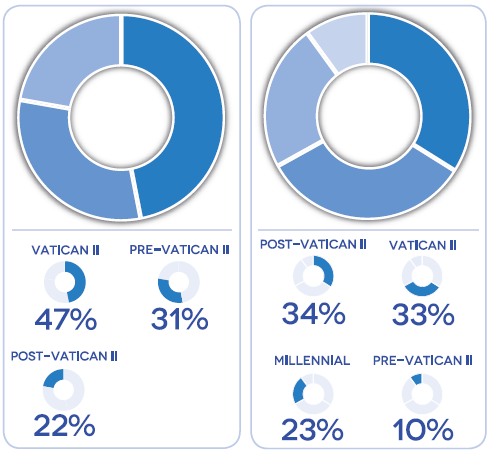
It seems to me that the Church hierarchy ignores the People of God or the “messianic” people over and over again. The majority of Catholics today were born after the council and are not adhered to the doctrines, devotions, and hierarchical structure or leadership in the Church. They have been taught that they have a significant role to play but the bishops have ignored this and many have not really implemented the documents of the council. Check out this article from the NCR- https://www.ncronline.org/news/survey-reveals-generation-shift-catholic-church#table2

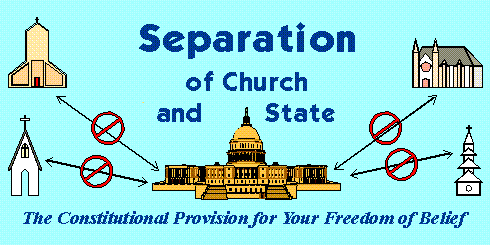
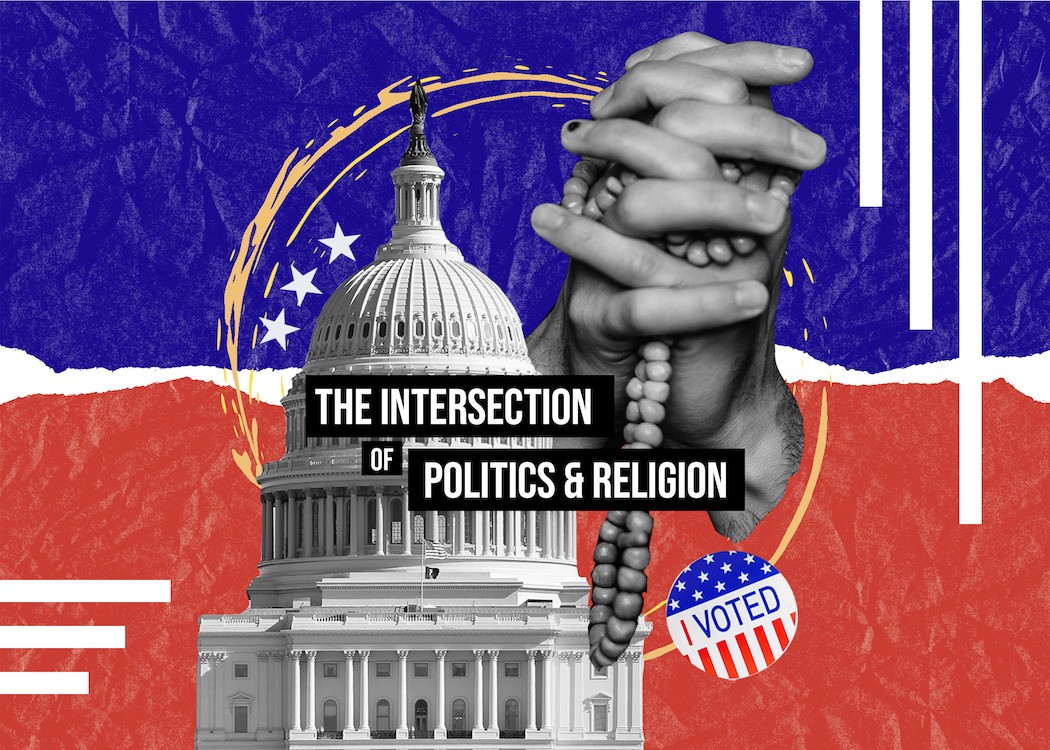
Another development of late in America is the notion by Church leaders that Americans are to reflect religious values many of which are based in Catholic doctrine which condemns birth control, abortion, euthansia, and  homosexuality. Emposing such teachings on American culture through a political agenda is the motive for endorsing candidates that uphold such condemnations with the exception of birth control like the pill and condoms. The bishops seem to ignore the Johnson Amendment which calls for the separation of Church and State since the former President signed an order to direct the Government not to take adverse action against religious organizations that it would not take against other organizations in the enforcement of these restrictions.”

While the Johnson Amendment was weakened under the former administration it is still a law that is not enforced. The Johnson Amendment is a provision in the U.S. tax code, since 1954, that prohibits all 501(c)(3) non-profit organizations from endorsing or opposing political candidates. Section 501(c)(3) organizations are the most common type of nonprofit organization in the United States, ranging from charitable foundations to universities and churches. The amendment is named for then-Senator Lyndon B. Johnson of Texas, who introduced it in a preliminary draft of the law in July 1954.

Rather than play the game of hide and seek with the Catholic Church I decided to pray, listen to the Word of God, study the history and documents of the Church and follow my conscience. Too much information about Jesus, the Scriptures, and theology that the latest scholars have researched and written about is being ignored along with the fact that the Constitution’s ban on endorsing a religion and separation of Church and State is as well.

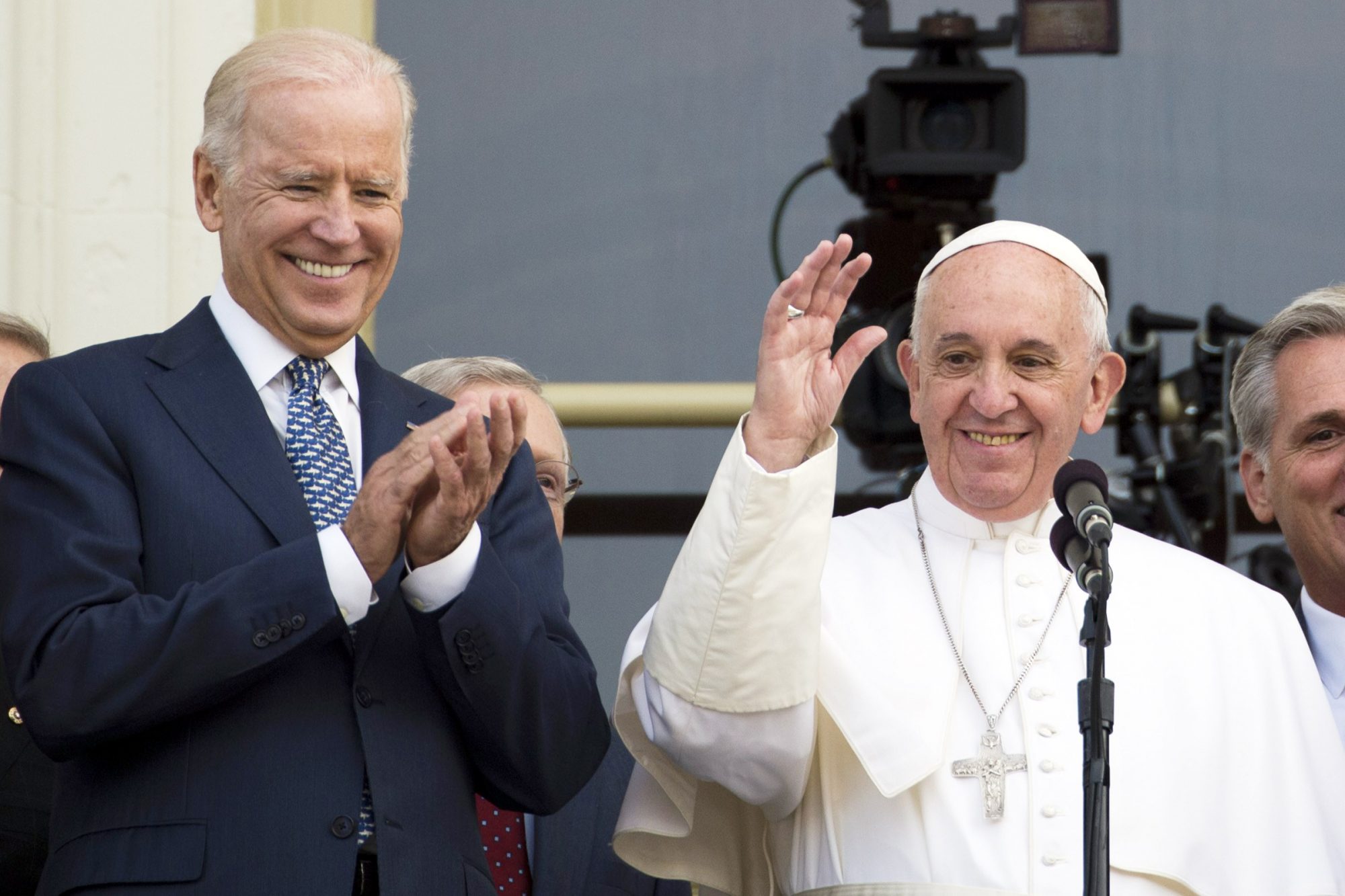
I follow Jesus’ basic teachings of the great commandment: Love God and your neighbor as your self. Keep in mind this includes the Word as well as the writings of many who followed Jesus in the past or are following him now. Many Catholics are already doing so and ignoring the doctrines and precepts of the Church which indicates that many more than President Biden should not receive Communion. The sheep are out of the fold looking for the one and only Shepherd, Jesus!

Posted in Ecclesiology | Leave a comment

Following Jesus

    Jesus came to Galilee, proclaiming the good news of God.  Saying, “The time is fulfilled.  And the kingdom of God has come near.”  Listen to his words. P1: Seek first the kingdom of God.  The kingdom of God … Continue reading

More Galleries | Leave a comment

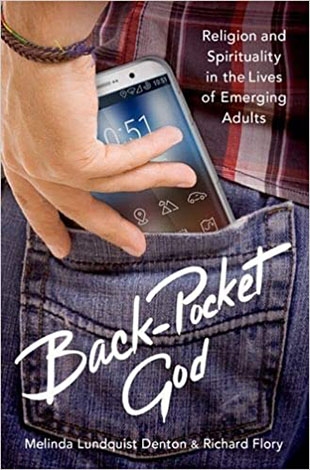
Back-Pocket God

Religion and Spirituality in the Lives of Emerging Adults

By Melinda Lundquist DentonRichard FloryA report on the changing and varied ways young people relate to religion.

This brief Book Review is by Frederic and Mary Ann Brussat

Sociologists Melinda Lundquist Denton, Associate Professor of Sociology at the University of Texas at San Antonio, and Richard Flory, Director of Research and Evaluation at the Center for Religion and Civic Culture at the University of Southern California, have spent ten years on the National Study of Youth and Religion in order to map the future of religion in America. This is the fourth and final book in the series which has compiled extensive surveys, statistics, and interviews with young men and women from their teenage years through the later stages of “emerging adulthood.”

Although readers will find it hard-going slogging through all the interviews about the faith of these young people, there are some bright spots in chapters on “Transitions to Adult Life” and “Making Sense of It All” where Denton and Flory conclude that these Emergent Adults have turned away from organized religion and traditional churches. A smaller contingent, the Religiously Committed, cling to their faith in hard times.

The book’s title derives from their conclusion that religion is like an app on a smartphone, accessible, easy to use, but for limited purposes. This study confirms what many of us already knew from looking at the statistics in the Pew surveys showing that more than 30% of this age group do not affiliate with any religion.

My addition to give you a sample of their research.

“The authors offer a comprehensive description of their findings. For instance: Despite the general decline and move away from religion among emerging adults, they do not seem so much opposed to religion or to religious organizations, at least in the abstract, as they are uninterested in religion, at least as they have experienced it. In general, they simply find it inconsequential in their lives. This is certainly true for those who identify as Not Religious, but we can also hear echoes of this among those who remain committed and active in their faith. Emerging adults who consider themselves Not Religious are the most obviously disengaged from religion. Yet, they are not all completely “secular.” For some, the religion of their youth still operates at a residual or background level, as evidenced by belief in God or an impulse to pray when they feel as though they need help or guidance at a particular moment. This is not to say, however, that religion has any sort of real presence in their lives. Rather, they are open to and acknowledge the possibility of religion, while maintaining a personal distance from any religious tradition or community. Thus, religion remains largely irrelevant; they are neither for it nor against it. For the Not Religious, to the degree that religion exists in their lives at all, it is as a more or less theoretical or abstract option, but one that they are unlikely to ever choose for themselves.”

The authors provide detailed descriptions of the identified seven core tenets of the young adult’s outlook: (1) Karma is real, (2) Everybody goes to heaven, (3) It’s all good, (4) Religion is easy, (5) Just do good, (6) Morals are self-evident, and (7) No regrets.

It’s a provocative book to give you an understanding of where young adults are with religion and where religion might be headed if the major denominations don’t make themselves more relevant to the 21st century.

Oxford University Press, 04/20

ISBN: 9780190064785

$29.95 Hardcover

You can purchase a Kindle edition for $9:99 at Amazon.

Posted in Ecclesiology, Spirituality | Leave a comment

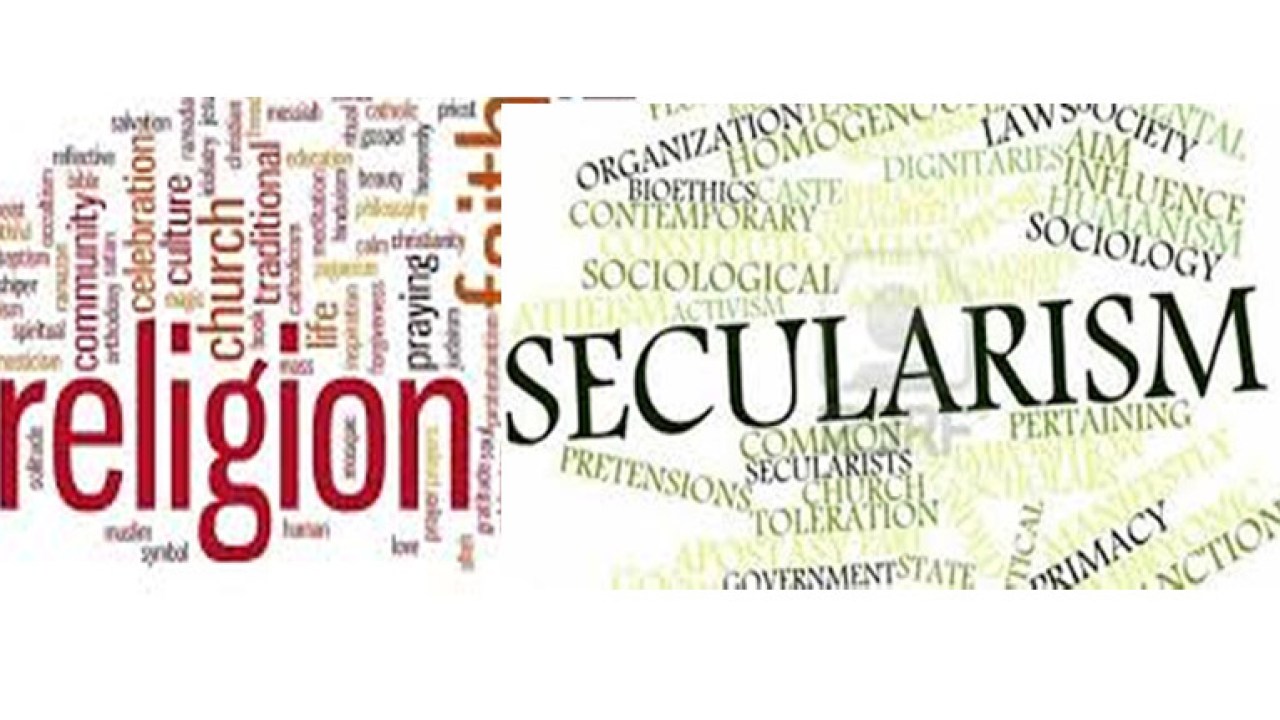
Is Secularism An Enemy of Religion?


In his book, Strangers in a Strange Land: Living the Catholic Faith in a Post-Christian World, the former Archbishop of Philadelphia, the city of “brotherly love”, offers a hard-hitting critique of America today. According to Chaput, the rise of secularism has not only led to a decline in the practice of Christian faith in the United States—but an open hostility to those that maintain traditional Christian beliefs and values. 

I believe that the Archbishop is guilty of scapegoating when he blames secularism for “the decline in the practice of the Christian faith in the United States. For one, the Christian faith is declining in many of the Western and Eastern nations of Europe as well.  Secondly, he fails to own up to the fact the Catholic Church has lost many of its members due to the abuse of thousands of children by clergy here and around the world. The abuse scandal was exacerbated by the failure of those in charge, diocesan officials, members of the hierarchy, as well as the popes to report the abuser priests to the Civil authorities. To make matters worse, his own efforts as the Archbishop of Philadelphia to lobby the Pennsylvania State Legislature to vote against a Pa Bill to extend the Statutes of Limitations so that the victims of abuse could seek therapy and other necessary treatment drove many to leave the Church.

John Allen writes that “Pope Benedict XVI, formerly, (Cardinal Joseph Ratzinger, a prominent theologian of the Church,) has talked about a “healthy secularism,” which involves the separation of church and state and recognition of the essentially lay character of politics. Evangelical Catholics such as the late Cardinal Jean-Marie Lustiger of Paris actually see this kind of secularism as a precondition for authentic faith, because it forces Christianity to be a personal choice, rather than something imbibed from religiously homogenous cultures where faith and practice are buttressed by the state.” 

He goes on to write that “At senior levels of the church, there’s a growing conviction that a tipping point has been reached — that Western secularization is crossing the line from neutrality to outright hostility, toward religion in general and Catholicism in particular. Cardinal Renato Martino, the former President of the Pontifical Council for Justice and Peace, put things this way: “It looks like a new Inquisition. It is a lay Inquisition, but it is so nasty. You can freely insult and attack Catholics, and nobody will say anything.” 1

1.John Allen  for NCR Benedict’s ongoing battle against secularism Nov 6, 2009

On the one hand, we have Church leaders actually defending the existence of secularism as a “healthy secularism,” which involves the separation of church and state and recognition of the essentially lay character of politics.   Then you have a former Cardinal Archbishop of the same Church claim secularism as a precondition for authentic faith because it forces Christianity to be a personal choice, rather than something imbibed from religiously homogenous cultures where faith and practice are buttressed by the state.

So we have some in the Catholic Church who view secularism as the enemy of religion while others see it as the context within which religion exists and can actually grow. I would say that the world as created by God did not come with any particular religion or set of beliefs unless you limit your understanding of creation to that of the bible.

Indeed because there are so many ethnicities, cultures, societies, one must assume that religion would be as varied as those cultures or societies that exist. If that’s the case then the secular world is simply the pot or soil in which religion grows.

In the ancient world before the common era, religion was found in every culture. Amy Trumpeter writes that Carl Jung held that “there is a religious instinct in all human beings – an inherent striving towards a relationship with someone or something that transcends human power (a higher force or being).

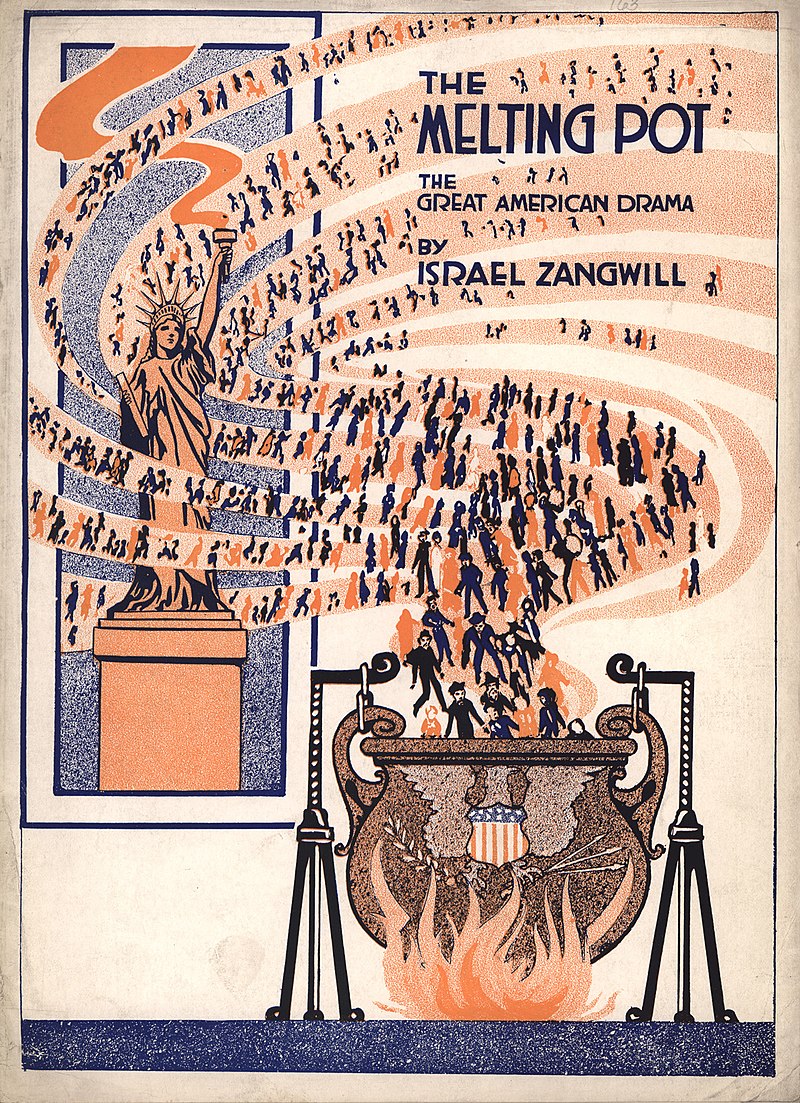
Therefore, one can assume that the world is the proverbial “melting pot” of religions. Each tribe had its own religious rituals and beliefs, its own spirits, demons, and gods. Tribalism meant that you were expected to adhere to that tribe’s religion or else incur the consequences which varied from expulsion to torture and then to death. Certainly Catholic Christianity, as well, participated in some brutal responses to those considered heretics, non-beleivers or infidels. The Inquisition and the Crusades certainly are the primary pieces of evidence for this conclusion.

Fast forward to America when Europeans came here to escape persecution.The Colony of Maryland was founded by a charter granted in 1632 to George Calvert, secretary of state to Charles I, and his son Cecil, both recent converts to Catholicism. Under their leadership allowing the practice of this denomination, many English Catholic gentry families settled in Maryland. The colonial government was officially neutral in religious affairs, granting toleration to all Christian groups and enjoining them to avoid actions that antagonized the others. On several occasions, “low-church” dissenters among Protestants led insurrections that temporarily overthrew the Calvert rule. In 1689, when William and Mary came to the English throne, they acceded to Protestant demands to revoke the original royal charter. In 1701 the Church of England was “established” as the state church in Maryland. Through the course of the eighteenth century, Protestants barred Catholics from public office in the colony, and then prohibited them from voting, disenfranchising them. Not all of the laws passed against Catholics (notably laws restricting property rights and imposing penalties for sending children to be educated in foreign Catholic institutions) were enforced, and some Catholics continued to hold public office.

New France was transferred to Great Britain in 1763 after it defeated France in the Seven Years War, it practiced a policy of tolerating the Catholic Church in the colony. No Catholic people in Quebec or other parts of New France were forced to convert to the Anglican Church. The British did open the colony to Protestant Huguenots, who had been banned from settlement by previous French colonial authorities – a continuation of discrimination that existed in France. 

Spanish Florida was also ceded to Great Britain in 1763, in exchange for it giving up other claims. The British divided Florida into two colonies. Both East and West Florida colonies had a policy of toleration for Catholic residents, as Catholicism had been the established religion of the Spanish colonies. Other colonies in the north and eastern sections of America were settled by several Protestant denominations.

Rhode Island, Pennsylvania, Western New Jersey, and Delaware were among other colonies that did grant religious freedom or did not have an established Church.

All of this disparity among colonies and the experience of the turmoil in European nations caused by religious groups and Churches were some of the factors that may have led to one of the first laws of the land as America was taking shape:  “Congress shall make no law respecting an establishment of religion.”  Separation of Church and State became the process by which society could exist without religion impacting it the way it did in Europe. The experiment of secularism and religion living side by side was about to begin. Chaput overlooks these facts.

Considering these disparities among the colonies, one must remember the wisdom of Thomas Jefferson as America was about to become one nation consisting of several colonies then eventually states. Jefferson wrote the following which then led to the beginning of the First Amendment. “Believing with you that religion is a matter which lies solely between Man & his God, that he owes account to none other for his faith or his worship, that the legitimate powers of government reach actions only, & not opinions, I contemplate with sovereign reverence that act of the whole American people which declared that their legislature should “make no law respecting an establishment of religion, or prohibiting the free exercise thereof,” thus building a wall of separation between Church & State. Adhering to this expression of the supreme will of the nation on behalf of the rights of conscience, I shall see with sincere satisfaction the progress of those sentiments which tend to restore to man all his natural rights, convinced he has no natural right in opposition to his social duties.”

Many of the founding fathers of America came to this continent to establish a country free of religious persecution.  Respecting the right of each person and religion to exist without fear of persecution was the new order of the day. We must recall that various denominations of Christianity had resulted from the Reformation. Wars, torture, and even genocide occurred in the long history of those Western European countries and religion played a big part. Without going into the specifics of the history of Europe since the Enlightenment, suffice it to say that Secularism became the prominent cultural movement of the Western modern world of Europe and the United States. Secularism or the State was seen as the neutral friend of religion, not its enemy.

While some Evangelicals and Catholics today see secularism or society as a weapon used to attack religion, I think differently. I would like to rebut what the author of the book mentioned in the first paragraph has concluded. For instance, Archbishop  Chaput seems to forget about the separation of Church and State and that secularism, the society, is to be free from any adherence to particular religious beliefs. Secularism relies on the core values and virtues of humanism based on Natural Law and the moral convictions and virtues of its citizens. These are not necessarily tied to religious beliefs of any religion let alone Christianity since atheists and agnostics are capable of morality and virtue. Even the Catholic Erasmus, who lived in the middle of the 15th century, embraced the humanistic belief in an individual’s capacity for self-improvement and the fundamental role of education in raising human beings above the level of brute animals. 

In 2013, before he wrote the book, Chaput decried the growing exclusion of religion from the public square and called for a shift in perspective regarding the place of religious believers in a democratic society.

At an Orange County Catholic Prayer Breakfast, he said that “in recent years people in both major American political parties have wrongly tried to blame the conflicts in American public life on the active participation of religious believers. They claim that religion is so powerful and so personal that whenever it enters public life in an organized way, it divides people.  It repels.  It polarizes.  It oversimplifies complex issues.  It creates bitterness.  It invites extremism.  And finally it violates the spirit of the Constitution by muddling up the separation of Church and state that keeps Americans from sliding into intolerance.”

I find what most people today claim about religion to be true!

As an aside, one must note that Chaput is a member of the Napa Institute which was founded in 2011, by Tim Busch a Philanthropist millionaire. He founded the Napa Institute with Father Robert Spitzer, SJ  in an effort to train Catholic leaders to defend the faith in an increasingly secular society. And since then, the Napa Institute was very involved in the 2016 and 2020 elections.

In my opinion, the Catholic Church has turned to Philanthropists and other conservative millionaires to subsidize its efforts to compensate for the loss of membership as it enters into the political arena as never before.

Chaput continues, “The same argument,” he said, “goes on to claim that, once they’re free from the burden of religious interference, mature citizens and leaders can engage in reasoned discourse, putting aside superstition and private obsessions to choose the best course for the widest public.  Because the state is above moral and religious tribalism, it can best guarantee the rights of everyone.  Therefore a fully secularized public square would be the adulthood of the American Experiment.” 

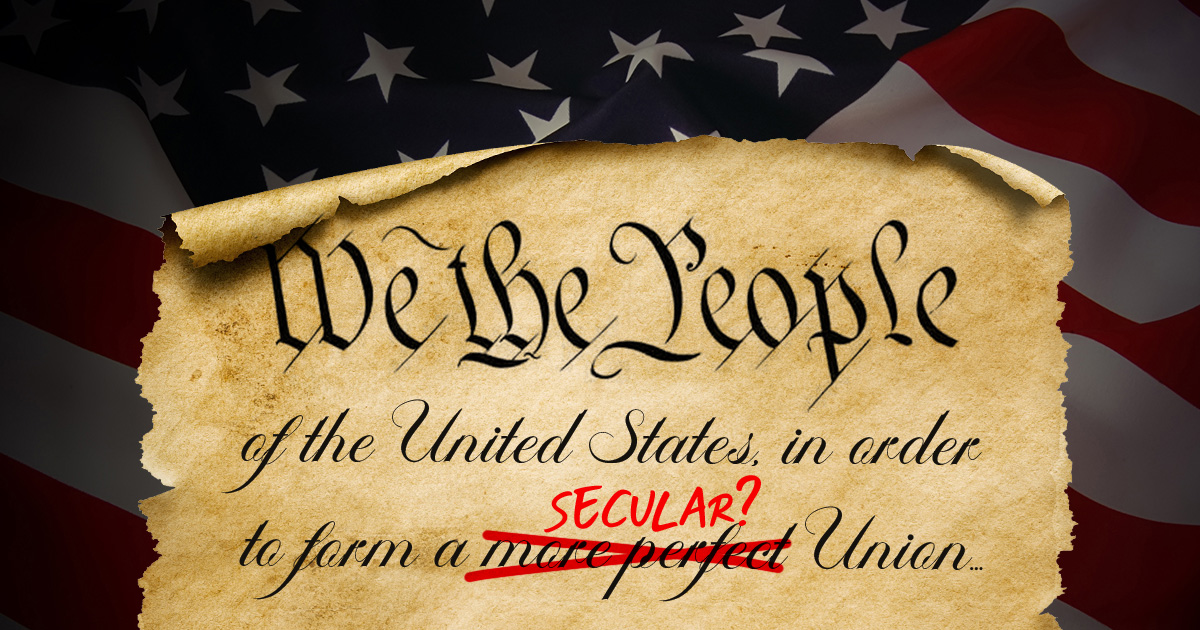
I applaud the argument but object to his conclusion that the state considers itself above moral tribalism since the Constitution is actually a moral as well as a legal document. It’s not attached to any one religion or denomination of religion.

“We the People of the United States, in order to form a more perfect Union, establish Justice, insure domestic Tranquility, provide for the common defense, promote the general Welfare, and secure the Blessings of Liberty to ourselves and our Posterity, do ordain and establish this Constitution for the United States of America.” 

If this isn’t a moral code, I don’t know what is!

He also points out, that there are key differences between non-sectarian public institutions and a secularist ideology.  “No Christian”, Chaput said, “should want to live under the tyranny of a secularist ideology.”  “Whenever you hear loud fretting sparked by an irrational fear of an Established Church, somebody’s trying to force religious believers and communities out of the public discussion of issues.”

This is not the case. He exaggerates as he is prone to do. I don’t want the evangelicals, let alone Catholics, or any other religious group dominating the public forum to impose its morality on me or anyone else. If the shoe were on the other foot and Muslims or Hindus or any other religious folks were to insist on their beliefs becoming the law of the land, Chaput would be singing a different tune!

He continues, “Secularism isn’t really morally neutral.  It’s actively destructive…It ignores the most basic questions of social purpose and personal meaning by writing them off as private idiosyncrasies,”  Americans are, “losing the Founders’ perspective on the meaning of our shared public life.  Certain beliefs have always held Americans together as a people.” 

I would object by saying that the Constitution provides the social purpose and personal meaning in its opening declaration, “We the people…” I’ll also add, that religion caused much division over the years as well!  Secularism is morally neutral and not intentionally destructive. The NRA declares that “Guns don’t kill, people do” and so I will say, “society doesn’t kill, rather people do”! Remember the Catholic Church heaped its own destructive force, the abuse of children, upon the good Catholic people of America and around the world.

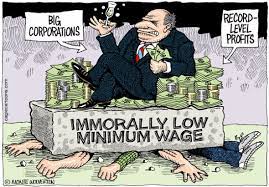
It’s my opinion that the Archbishop has it all backward considering the fact that many Evangelical Churches and the Catholic Church have forced themselves upon the politics of our society in a manner that does violate the separation of Church and state and even the U.S. Tax Code. The 2016 election was the first election that I can recall, when clergy, from the pulpit, denounced one candidate and endorsed another. Instead of urging citizens to follow their conscience and do their patriotic duty and vote, they demanded under pain of sin that their members vote for the candidate they endorsed because the Pro-Choice and Pro-Life debate was the primary issue in the election according to Church leaders rather than the environment, poverty, minimum wages, gun control, rising racism and bigotry, and immigration.

Chaput’s book is a ploy to distract us from the guilt of the Catholic Church and put the blame on society, a society that is maturing and deciding to follow its own conscience instead of listening to preachers and teachers who do not practice what they preach and in some cases get caught actually acting against what they preach.

The word secular means “world” from “saecula”, a world that was created by God, and Catholics affirm that every time they conclude their prayers with the great doxology: Glory be to the Father….as it was, in the beginning, is now and ever shall be world without end, or in Latin: Gloria Patri, et Filio, et Spiritui Sancto. Sicut erat in principio, et nunc, et semper, et in saecula saeculorum.

Posted in Ecclesiology | Leave a comment

On examining the president’s conscience: Why the US bishops should scrap plans to exclude “pro-choice” politicians from the Eucharist

June 14, 2021

By John O’Loughlin Kennedy | Ireland

Cardinal Luis Ladaria is undoubtedly in order with regards to the agenda of the upcoming meeting of US Conference of Catholic Bishops (USCCB), which will discuss drafting a document on whether politicians who support legalized abortions should be able to receive Holy Communion. 6/14/2021 On examining the president’s conscience 

Regrettably, the same cannot be said Archbishop José Gómez of Los Angeles, the USCCB president. The cardinal is right for at least two reasons. The archbishop misguided for about a dozen. As prefect of the Congregation for the Doctrine of the Faith, the cardinal would have a duty to warn the bishops if they are contemplating an action that could compromise or conflict with Church teaching and could create doubts about the hierarchical unity of the Church. As an ordinary member of the faithful, he is entitled to oppose a stupid action that would discredit the Church among millions of people. Archbishop Gomez is proposing that the US bishops consider refusing Holy Communion to US President Joe Biden because he is a member of the Democratic Party which is “prochoice” on abortion. 

Out of step 

Why is this proposal ill-considered and out of step with the Catholic Church? 

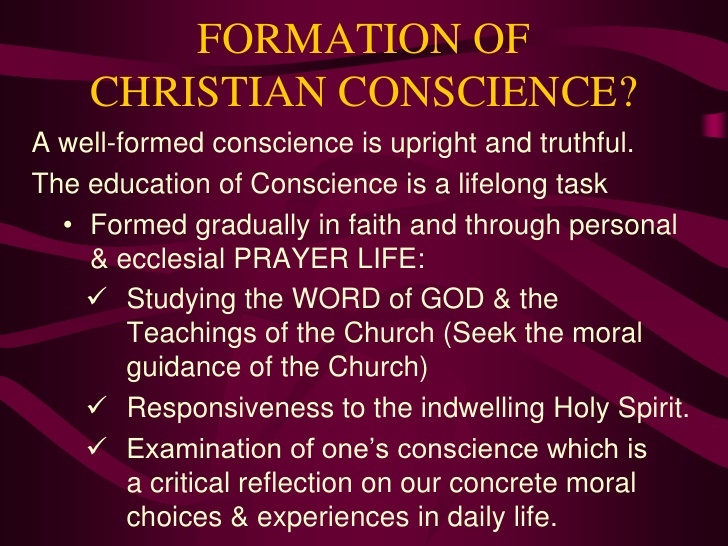
1. Scripture: “Judge not!” The only thing that precludes a baptised Catholic from receiving Holy Communion is an awareness or consciousness of being in a state of mortal sin (1 Cor 11:27-29). Therefore, the archbishop’s proposal amounts to asking the bishops to collectively examine Joe Biden’s conscience. This is not within their competence, and they should not attempt it, more especially in public. Apart from Joe, only God can examine Joe’s conscience. The bishops can preach the law, but they cannot decide whether or not a person has sinned in a particular instance. Assuming that he is creating scandal by presenting himself is to create scandal where no scandal is needed. 

2. In Gaudium et Spes (no.16), the Church teaches that “conscience is the most secret core and sanctuary of a person. There one is alone with God, whose voice echoes in his depths. In a wonderful manner conscience reveals that law which is fulfilled by love of God and neighbour”. Being “alone with God” surely excludes gatecrashers, even episcopal ones. 

3. In Dignitatis Humanae (no. 3) the Church teaches: “It follows that one is not to be forced to act in a manner contrary to his conscience. Nor, on the other hand, is he to be restrained from 6/14/2021 On examining the president’s conscience https://international.la-croix.com/news/religion/on-examining-the-presidents-conscience/14464 3/5 acting in accordance with his conscience”.

4. The Catechism of the Catholic Church (no.1800) says: “A human being must always obey the certain judgements of his conscience”. 

5. Our recently canonized saint, John Henry Newman, summed it up: “Conscience is a law of the mind; yet [Christians] would not grant that it is nothing more; I mean that it was not a dictate, nor conveyed the notion of responsibility, of duty, of a threat and a promise… [Conscience] is a messenger of him, who, both in nature and in grace, speaks to us behind a veil, and teaches us and rules us by his representatives. Conscience is the aboriginal Vicar of Christ” 

6. A politician’s duty is to legislate for the common good and politics is the art of the possible. As he helps to shape legislation, he tries to anticipate its effects, and is forever estimating and balancing multiple imponderables. He seldom has the luxury of choosing what he thinks is best. More often it the least objectionable of several compromises. Outsiders seldom have access to the background information and expert advice that is available to legislators. Ideological, single issue politicians with simplistic solutions can win elections but are not notable for pursuing the common good. While Church authorities are as entitled as anyone else to make their opinions felt on political issues, their appraisal of the common good may also be inspired by narrow criteria. When they weaponize the sacraments to enforce their political preferences, they are abusing religion and freedom of religion. If the bishops try to coerce conscience, they attack the very basis of morality. 

7. Ironically, the USCCB has designated the week following their summer meeting as “Religious Freedom Week” in which the faithful will be asked to pray, reflect and act on issues of religious freedom all around the world. Coercing President Biden with religious sanctions, would be a hollow victory —a gesture that would earn brownie points with the faction in the Roman Curia that is obsessed with abortion, but it would achieve nothing positive. On the negative side it would alienate Catholics who do not think that non-Catholics should be forced to abide by Catholic standards, and it would further reduce the Church’s status in society. The bishops’ Religious Freedom Week would be seen as dubious, if not downright hypocritical. 

8. President Biden leads a political party that is democratic, both in name and in its ways of working.

He is not a dictator, de jure or de facto. He does not control the individual legislators. He needs the support of the party in what he attempts, and the party needs the support of the electorate. He does not have monarchical control over the policies that the bishops condemn. 

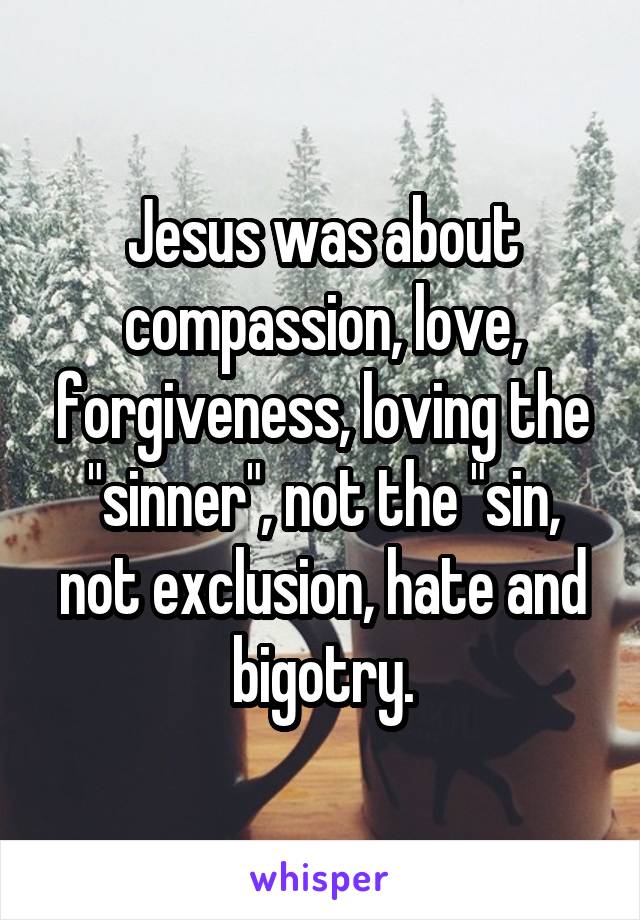
9. The policy label “pro-choice” is misleading. The word choice has overtones of preference or selecting something desirable. Typically, abortion is not something a woman chooses. More often she is driven to it—in desperation, fear, panic, by poverty or by mental or physical health issues or social or economic pressures. The issue for politicians is not whether one approves of abortion. The issue is whether to legislate to put these unfortunate women behind bars. If they already have children, do we punish these also by depriving them of their mothers and breaking up families? We can hate the sin. But does not Jesus, and Pope Francis, call on us always to be compassionate and merciful; to love and care for the sinner? Punishing them is not following Christ. “Anti-incarceration” would be a more exact title for the policy. It would avoid the inference of approving or abetting the evil. 

10. If the bishops classify the reluctance of the Democratic Party to incarcerate people who commit sin as a case of aiding and abetting evil, they would be confusing two distinctly different things. 

1. Legislators must avoid bringing the law into disrepute and must therefore consider what the culture will tolerate. Laws are ineffective when a sizable proportion of the populace reject them. The American bishops would do well to remember that Prohibition did not stop the evils associated with alcohol and gambling. It just drove them underground for fifteen years and boosted the growth and influence of organised crime, against which law enforcement is still battling. 

2. Catholics believe that lived example, preaching, prayer, the sacraments, forgiveness and the grace of God are the ways to make people more moral and more loving. Not so, imprisonment. Doubtless, the list above is incomplete. While there is some overlapping between the items, there is no conflict. They all point in one direction. In loyalty to Church teaching, the US bishops should not so much as discuss Archbishop Gómez’s proposal but should begin their meeting by adopting a revised agenda that omits it. 6/14/2021 On examining the president’s conscience 

John O’Loughlin Kennedy is a retired economist and serial social entrepreneur. With his wife, Kay, he founded Concern in Ireland in 1968 and guided it for its first ten years. In addition to responding to humanitarian crises, Concern currently employs 3,500 people on agricultural development and educational and medical projects in 23 of the world’s poorest countries, helping 37 million people in year 2020. His recent book, The Curia is the Pope, is published by Mount Salus Press.

Read more at: https://international.la-croix.com/news/religion/on-examining-the-presidents-conscience/14464

Posted in Catholic Teachings, Morality | Leave a comment

Has Roman Catholicism’s Authority Contradicted Jesus?

“A sign of contradiction, in Catholic theology, is someone who, upon manifesting holiness, is subject to extreme opposition. The term is from the biblical phrase “sign that is spoken against”, found in Luke 2:34 and in Acts 28:22, which refer to Jesus Christ and the early Christians. Contradiction comes from the Latin contra, “against” and dicere, “to speak”.

According to Catholic tradition, a sign of contradiction points to the presence of Christ or the presence of the divine due to the union of that person or reality with God. In his book, Sign of Contradiction, John Paul II says that “sign of contradiction” might be “a distinctive definition of Christ and of his Church.”[1]

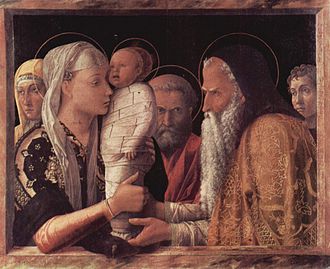
Luke 2:34 refers to Jesus Christ while he is being presented in the temple by his parents. The words were spoken by Simeon to Mary, the mother of Jesus Christ, as a prophecy regarding her child and herself.

“Behold this child is set for the fall and rising of many in Israel, and for a sign that is spoken against (and a sword will pierce through your own soul also), that thought of many hearts may be revealed.” (Italics added; Douay Rheims Bible translates the phrase as “sign that will be contradicted.”)

The interpretation of the Navarre Bible, a Catholic bible commentary, [2] is the following:

“Jesus came to bring salvation to all men, yet he will be sign of contradiction because some people will obstinately reject him — for this reason he will be their ruin. But for those who accept him with faith Jesus will be their salvation, freeing them from sin in this life and raising them up to eternal life.” “For whoever wants to save their life will lose it, but whoever loses their life for me will find it.”

The commentary also says that Mary will be intimately linked with her Son’s work of salvation. The sword indicates that Mary will have a share in her son’s sufferings. The last words of the prophecy link up with verse 34: uprightness or perversity will be demonstrated by whether one accepts or rejects Christ.

 Jesus rejected POWER, FAME, and FORTUNE! Just read about the temptation: The first three Commandments stress that power, fame, and fortune belong to the Creator-God. Isn’t that what the stories of Creation and the Great Temptation are all about? Yet, the Catholic Church failed to rebuke the power, fame, and fortune of Rome in order to avoid any more persecution from Rome.

There are three elements then involved in a sign of contradiction, according to Catholic theology: (1) An attack on Christ or people who are said to be “united” with Christ. From this attack, ensues a double-movement: (2) the downfall of those who reject Christ, and (3) the rise of those who accept him.

This double-movement is connected with the division Jesus Christ referred to in Luke 12:51–53, an external division among peoples who either follow him or not, but an internal peace for those who follow him.

“Do you think that I have come to give peace on earth? No, I tell you, but rather division; for henceforth in one house there will be five divided, three against two and two against three; they will be divided, father against son and son against father, mother against daughter and daughter against her mother, mother-in-law against her daughter-in-law and daughter-in-law against her mother-in-law.” Jesus Christ was spoken against during his life: the Gospels claim that Pharisees and other critics said that he was allied with Beelzebub, that he was a drunkard and a glutton, (based upon his participation at banquets and feasts), that he was a blasphemer who made himself equal to God. According to Catholic theologians, these charges led to his torture and execution.  Have such divisions in Catholcisim gone unnoticed? What’s the current status of the Church?

Catholic theologians also say that while the devil seemed to have been able to put the Messiah to death, his death turned the tables around and became the very instrument of Christ’s victory over evil, death and the devil. His death showed the infinite love of God towards mankind (“Greater love no man has than he who lays down his life for his friend”), thus drawing men back to God.”

 “For whoever wants to save their life will lose it, but whoever loses their life for me will find it.” 

One can’t lose one’s life by holding onto POWER, FAME, and FORTUNE. No, one must let those go in order to serve, to love, and depend upon the GRACE of God otherwise one is trying to be God!

The Catholic Church must REPENT and divest itself of such Power in the form of Patriarchy, Authoritarianism, Misogyny, Homophobia, such Fame as the titles of father, monsignor, excellency, eminence, holiness and such clerical garb of crimson robes, gold jewelry, thrones, and clericalism and such fortune as the Vatican and other such opulent possessions.

Until such time as the Catholic Church has true “metanoia” and repentance, The Catholic Church stands as a sign of contradiction to its founder, Jesus Christ.

Modern English translations of the Greek New Testament use the word “repentance” for both the word metanoia and metamelomai. The former term is so translated almost ten times as often as the latter.[4] Metanoia can be traced to Mark Chapter 1, where Jesus announces that the kingdom of God is at hand and asks for repentance. This mistranslation from the definition given above has vast repercussions for the entirety of Christian theology.

Matthew 27:3 uses the Greek verb metamelomai in stating that Judas “repented himself” after he saw Jesus being led away. Metamelomai denotes “painful sorrow” or “remorseful regret.” According to James Glentworth Butler, “as nearly as possible [metamelomai] is the exact equivalent of the word Repent or Repentance.”[7] Biblical scholar A. T. Robertson observes that Judas had only sorrow and regret and “mere sorrow avails nothing unless it leads to change of mind and life [metanoia].”[8]

The noun metanoia/μετάνοια, is translated “repentance,” and its cognate verb metanoeō/μετανοέω is translated “repent” in twenty two instances in the King James Version of the New Testament.

The term “…was used consistently in the literature of that time to express a fundamental change in thinking that leads to a fundamental change in behavior and/or way of living”.[10] In 2006, an ecumenical group of scholars published a study of repentance in the Bible and the Church. After “a thorough examination of Hellenistic Jewish writings,” the study found that for Jews living at the time of Jesus, “repentance” meant “a fundamental change in thinking and living.” For the New Testament, this change is a necessary ingredient in accomplishing God’s plan for salvation and community for everyone.[11]

In opposition to the Church’s interpretation of metanoia as comprising contrition, confession, and penances, Martin Luther objected that it retained its classical sense of “a change of mind.”[15] For John Staupitz, “…metanoia can be derived, though not without violence, not only from post and mentem, but also from trans and mentem, so that metanoia signifies a changing of the mind and heart, because it seemed to indicate not only a change of the heart, but also a manner of changing it, i.e., the grace of God.”.[16]

A Warning Against Hypocrisy in Matthew’s Gospel chapter 23

 Then Jesus said to the crowds and to his disciples: “The teachers of the law and the Pharisees sit in Moses’ seat. So you must be careful to do everything they tell you. But do not do what they do, for they do not practice what they preach. They tie up heavy, cumbersome loads and put them on other people’s shoulders, but they themselves are not willing to lift a finger to move them.

“Everything they do is done for people to see: They make their phylacteries[a] wide and the tassels on their garments long; they love the place of honor at banquets and the most important seats in the synagogues; they love to be greeted with respect in the marketplaces and to be called ‘Rabbi’ by others.

“But you are not to be called ‘Rabbi,’ for you have one Teacher, and you are all brothers. And do not call anyone on earth ‘father,’ for you have one Father, and he is in heaven. 10 Nor are you to be called instructors, for you have one Instructor, the Messiah. 11 The greatest among you will be your servant. 12 For those who exalt themselves will be humbled, and those who humble themselves will be exalted.

Seven Woes on the Teachers of the Law and the Pharisees

13 “Woe to you, teachers of the law and Pharisees, you hypocrites! You shut the door of the kingdom of heaven in people’s faces. You yourselves do not enter, nor will you let those enter who are trying to. [14] [b]

15 “Woe to you, teachers of the law and Pharisees, you hypocrites! You travel over land and sea to win a single convert, and when you have succeeded, you make them twice as much a child of hell as you are.

16 “Woe to you, blind guides! You say, ‘If anyone swears by the temple, it means nothing; but anyone who swears by the gold of the temple is bound by that oath.’ 17 You blind fools! Which is greater: the gold, or the temple that makes the gold sacred? 18 You also say, ‘If anyone swears by the altar, it means nothing; but anyone who swears by the gift on the altar is bound by that oath.’ 19 You blind men! Which is greater: the gift, or the altar that makes the gift sacred? 20 Therefore, anyone who swears by the altar swears by it and by everything on it. 21 And anyone who swears by the temple swears by it and by the one who dwells in it. 22 And anyone who swears by heaven swears by God’s throne and by the one who sits on it.

23 “Woe to you, teachers of the law and Pharisees, you hypocrites! You give a tenth of your spices—mint, dill and cumin. But you have neglected the more important matters of the law—justice, mercy and faithfulness. You should have practiced the latter, without neglecting the former. 24 You blind guides! You strain out a gnat but swallow a camel.

25 “Woe to you, teachers of the law and Pharisees, you hypocrites! You clean the outside of the cup and dish, but inside they are full of greed and self-indulgence. 26 Blind Pharisee! First clean the inside of the cup and dish, and then the outside also will be clean.

27 “Woe to you, teachers of the law and Pharisees, you hypocrites! You are like whitewashed tombs, which look beautiful on the outside but on the inside are full of the bones of the dead and everything unclean. 28 In the same way, on the outside you appear to people as righteous but on the inside you are full of hypocrisy and wickedness.

29 “Woe to you, teachers of the law and Pharisees, you hypocrites! You build tombs for the prophets and decorate the graves of the righteous. 30 And you say, ‘If we had lived in the days of our ancestors, we would not have taken part with them in shedding the blood of the prophets.’ 31 So you testify against yourselves that you are the descendants of those who murdered the prophets. 32 Go ahead, then, and complete what your ancestors started!

33 “You snakes! You brood of vipers! How will you escape being condemned to hell? 34 Therefore I am sending you prophets and sages and teachers. Some of them you will kill and crucify; others you will flog in your synagogues and pursue from town to town. 35 And so upon you will come all the righteous blood that has been shed on earth, from the blood of righteous Abel to the blood of Zechariah son of Berekiah, whom you murdered between the temple and the altar. 36 Truly I tell you, all this will come on this generation.

37 “Jerusalem, Jerusalem, you who kill the prophets and stone those sent to you, how often I have longed to gather your children together, as a hen gathers her chicks under her wings, and you were not willing. 38 Look, your house is left to you desolate. 39 For I tell you, you will not see me again until you say, ‘Blessed is he who comes in the name of the Lord.’[c]

Is the Catholic Church Hierarchy contradicting Jesus? You decide!

4Wilkin, Robert N. “New Testament Repentance: Lexical Considerations”, Bible.org

7.  Butler, J. Glentworth. Topical Analysis of the Bible (Butler Bible Work Co, 1897), 443. Available in Google Books.

8. A.T. Robertson. Word Pictures in the New Testament – Matthew (PDF). Grand Rapids, Missouri: Christian Classics Ethereal Library. Retrieved 14 November 2014.

10.  Nave, Guy. The Role and function of Repentance in Luke-Acts, Society of Biblical Literature, 2002

11. Mark J. Boda and Gordon T. Smith, eds., Repentance in Christian Theology (Michael Glazier, 2006), 90, 95.

12 J. K. Elliott, editor, The Apocryphal New Testament: A Collection of Apocryphal Christian Literature in an English Translation (Oxford University Press, 2005), 425. Greek words inserted.

13. “Millennium Web Catalog”. Oed.com.librarycatalog.vts.edu. Retrieved 14 November 2014.

14. ^ “Conversion Synonyms, Conversion Antonyms”. Thesaurus.com. Retrieved 15. Luther’s Works, Vol. 48, Letters (May 30, 1518 Letter to John von Staupitz), 65-70.

16. “Letter of John Staupitz Accompanying the “Resolutions” to the XCV Theses by Dr. Martin Luther, 1518″, Works of Martin Luther, (Adolph Spaeth, L.D. Reed, Henry Eyster Jacobs, et 

Text is available under the Creative Commons Attribution-ShareAlike License; additional terms may apply. By using this site, you agree to the Terms of Use and Privacy Policy. Wikipedia® is a registered trademark of the Wikimedia Foundation, Inc., a non-profit organization

Posted in Christology, Ecclesiology | Leave a comment

INCIDENTS of CENSURE AND OR EXCOMMUNICATION by The Catholic Church resulting in denial of Communion

The first instance of a pro-abortion rights politician being censured via denial of communion was in 1989.[15] During a special election for the California Senate, Pro-abortion rights Catholic Lucy Killea was barred from communion by Leo Thomas Maher, then bishop of San Diego.[9] She received communion in Sacramento with the consent of Bishop Francis Quinn.[16] The incident brought publicity to Killea’s candidacy and gained her the voters’ sympathy, helping her to win the election.[17][18]

In 1984, Cardinal John Joseph O’Connor, then archbishop of New York, considered excommunicating New York Governor Mario Cuomo.[19][20] He also condemned Cuomo’s statements that support for abortion rights did not contradict Catholic teaching, but did not suggest that Cuomo should stop receiving communion.[21]

In January 2003, Bishop William Weigand of Sacramento said Governor of California Gray Davis, a Catholic who supported abortion rights, should stop receiving communion.[9]

In 2004, then-Archbishop Burke said he would not give communion to 2004 presidential candidate and Senator John Kerry, in part because of his position on abortion. According to religion experts, such a denial of communion would have been unprecedented.[14][22] Kerry’s own Archbishop Sean O’Malley refused to specify the applicability of his earlier statement that such Catholics are in a state of grave sin and cannot properly receive communion.[14] The issue led to comparisons between Kerry’s presidential campaign and that of John F. Kennedy in 1960. While Kennedy had to demonstrate his independence from the Roman Catholic Church due to public fear that a Catholic president would make decisions based on the Holy See agenda, it seemed that Kerry, in contrast, had to show obedience to Catholic authorities in order to win votes.[9][23][24][25] According to Margaret Ross Sammons, Kerry’s campaign was sufficiently damaged by the threat to withhold communion that it may have cost him the election. Sammons argues that President George W. Bush was able to win 53% of the Catholic vote because he appealed to “traditional” Catholics.[26]

In February 2007, as emerged two and a half years later, Bishop Thomas Tobin asked Representative Patrick Kennedy not to take communion because of his position on abortion.[27] Kennedy told the Providence Journal that Tobin also instructed priests in the diocese not to give him communion; Tobin denied this.[27] In 2007, Burke said that he would deny communion to 2008 Republican presidential candidate Rudy Giuliani because of his views on abortion, and that Giuliani should not seek the sacrament.[22] In May 2008, Kansas City, Kansas Archbishop Joseph Naumann said that then-Kansas Gov. Kathleen Sebelius should stop receiving communion because of her support for abortion rights, and that she should not again take it unless she publicly stated that she opposed abortion rights.[28][29][30]

After Joe Biden was nominated as a vice presidential candidate in the 2008 presidential election, Bishop Joseph Francis Martino of Biden’s hometown of Scranton, Pennsylvania, said Biden would be refused communion in that diocese because of his support for abortion.[8] Biden was not refused communion in his then-parish of Wilmington, Delaware.[31] In October 2019, Biden was reportedly refused communion at a church in Florence, South Carolina.[32] On January 21, 2021, one day after his inauguration as president, Biden received communion from the hands of the archbishop of Washington DC, Cardinal Wilton Daniel Gregory. The event was condemned by conservative activist and Donald Trump supporter Austin Ruse, in Crisis magazine.[33]

References[edit]

  1. Jump up to:a b c “The Word from Rome”John L. Allen Jr. in National Catholic Reporter, 28 May 2004
  2. Jump up to:a b c d e Internet, Elemedia S.p.A. – Area. “Obama’s Pick for Vice President Is Catholic. But the Bishops Deny Him Communion”chiesa.espresso.repubblica.it. Retrieved 19 July 2017.
  3. ^ Major, Richard (August 27, 2005), “Communion for pro-choice politicians splits Church”The Tablet
  4. Jump up to:a b “Library : It’s a Matter of Honesty: To Receive Communion, We Need to Be in Communion”http://www.catholicculture.org. Retrieved 19 July 2017.
  5. ^ Allen Jr., John L. (Oct 31, 2008). “Antiabortion imperative more complex than acknowledged”National Catholic Reporter. Retrieved 2014-05-08.
  6. ^ Michael Sean Winters, “Chaput Cites Disunity Among Bishops on Canon 915” in National Catholic Reporter, 12 April 2011
  7. ^ Henneberger, Melinda (11 May 2009). “Wuerl: Why I Won’t Deny Pelosi Communion”. Politics Daily.
  8. Jump up to:a b Kirkpatrick, David (2008-09-16). “Abortion Issue Again Dividing Catholic Votes”The New York Times. Retrieved 2011-12-26.
  9. Jump up to:a b c d Ainsworth, Bill (2004-06-09). “Catholics giving governor a pass on abortion”The San-Diego Union-Tribune. Archived from the original (pdf) on 2011-01-26. Retrieved 2011-12-26.
  10. ^ Roman Catholic Archdiocese of Newark, “The Obligations of Catholics and the Rights of Unborn Children” Archived June 4, 2012, at the Wayback Machine
  11. ^ “Worthiness to Receive Holy Communion”http://www.ewtn.com. Retrieved 19 July 2017.
  12. ^ “Reactions to Sen. Obama’s Selection of Sen. Biden as His Running Mate”http://www.gwu.edu. Retrieved 19 July 2017.
  13. ^ Code of Canon Law, canon 916 Archived February 19, 2014, at the Wayback Machine
  14. Jump up to:a b c Hancock, David (2004-04-06). “Kerry’s Communion Controversy”CBS News. Retrieved 2011-12-26.
  15. ^ “A Bishop Says No”Time. November 27, 1989.
  16. ^ Lundstrom, Marjie (February 1, 2003). “Abortion foes cross line with attacks on elected officials”. Sacramento Bee.
  17. ^ “Abortion and Religion Put Focus on Election”New York Times. December 3, 1989.
  18. ^ “Bishop Leo Maher, 75; Led San Diego Diocese”New York Times. February 25, 1991.
  19. ^ Beltramini, Enrico (September 12, 2009). “Il cattolicesimo politico in America”Limes (in Italian). Retrieved 2011-12-26.
  20. ^ West, John G.; MacLean, Iain S. (1999). Encyclopedia of religion in American politics, Volume 2. Greenwood Publishing Group. p. 98. ISBN 9781573561303. Retrieved 2011-12-26.
  21. ^ Mike Dorning, “Catholic politicians feel church heat on abortion” in Chicago Tribune, 26 April 2003
  22. Jump up to:a b “Outspoken Catholic Archbishop Raymond Burke Says He’d Deny Rudy Giuliani Communion”Fox News. AP. 2007-10-03. Retrieved 2011-12-26.
  23. ^ McAteer, Michael (June 26, 2004). “Questioning Catholic hierarchy’s priorities”. Toronto Star.
  24. ^ Balz, Dan; Cooperman, Alan (June 4, 2004). “Bush, Pope to Meet Today at the Vatican”Washington Post.
  25. ^ Gibson, David (2007). The Rule of Benedict: Pope Benedict XVI and His Battle with the Modern World. HarperCollins. p. 42. ISBN 9780061753367.
  26. ^ Heyer, Kristin E.; Rozell, Mark J.; Genovese, Michael A. (2008). Catholics and politics: the dynamic tension between faith and power. Georgetown University Press. p. 21ISBN 978-1-58901-215-8. Retrieved 18 February 2012.
  27. Jump up to:a b “Bishop bars Patrick Kennedy from Communion over abortion”. CNN. November 22, 2009. Archived from the original on October 1, 2012.
  28. ^ “For Sebelius, More Opposition from KC’s Archbishop”. The Atlantic. 5 March 2009.
  29. ^ “Rigid bishops one-up the popes”National Catholic Reporter. May 30, 2008. Archived from the original on January 28, 2012. Retrieved 2011-12-26.
  30. ^ Burke, Daniel (May 13, 2008). “Kansas Gov. Sebelius told not to take Communion”. Religion News Service.
  31. ^ Memoli, Mike (2008-12-24). “Abortion politics: Biden never refused communion”msnbc.com. Archived from the original on January 17, 2012. Retrieved 2011-12-26.
  32. ^ Christian, Matthew (2019-10-28). “Joe Biden denied Holy Communion at Florence church”SCNow. Retrieved 2019-10-28.
  33. ^ “Joe Biden Eats and Drinks His Own Spiritual Death”Crisis Magazine. 2021-01-21. Retrieved 2021-01-22.
  34. ^ “No Sanction for Spanish King Signing Abortion Law”National Catholic Reporter. 2010-02-26. Retrieved 2011-12-23.
  35. ^ Black, Fergus; Cunningham, Grainne (20 May 2013). “Top clerics divided on penalty for pro-choice Catholics”Irish Independent.
  36. ^ Dalby, Douglas (3 May 2013). “Irish Catholic Church Condemns Abortion Legislation”International Herald Tribune.
  37. ^https://www.osv.com/OSVNewsweekly/Article/TabId/535/ArtMID/13567/ArticleID/8377/Return-of-the-Communion-Wars.aspx
  38. ^ https://www.ncronline.org/news/no-hard-line-pope-communion-pro-choice-pols-0
  39. ^ https://www.haaretz.com/israel-news/catholic-communist-and-gay-1.309190
  40. Jump up to:a b “Pope arrives in Brazil with tough abortion stance”USA Today (Associated Press service). 10 May 2007.
  41. ^ Der SpiegelPope Attacks Mexico City Politicians. May 10, 2007.
  42. ^ Israely, Jeff (May 9, 2007). “Pope Rejects Pro-Choice Politicians”Time.
  43. ^ “Pope condemns abortion on Latin America trip”. Associated Press. May 9, 2007.
  44. ^ “Iglesia dice que legisladores que votaron despenalización quedan excomulgados”El Observador. 2012-10-18. Archived from the original on 2012-10-21. Retrieved 2012-10-19.
  45. ^ “1er medida de la Iglesia tras la despenalización del aborto” (in Spanish). Urgente24. 2012-10-18.
  46. ^ “Iglesia Católica excomulgó a quienes incentivaron la despenalización del aborto”El País. 2012-10-18. Archived from the original on 2012-10-22.
  47. ^ “Uruguay’s bishops clarify: pro-abortion lawmakers not excommunicated”. Retrieved 27 November 2013.

From Wikipedia

Text is available under the Creative Commons Attribution-ShareAlike License; additional terms may apply. By using this site, you agree to the Terms of Use and Privacy Policy. Wikipedia® is a registered trademark of the Wikimedia Foundation, Inc., a non-profit organization.

Posted in Catholic Teachings, Ecclesiology | Leave a comment